High Speed Data Networks Lower Delay Times For Live Sport Betting
Sep 20 , 2026
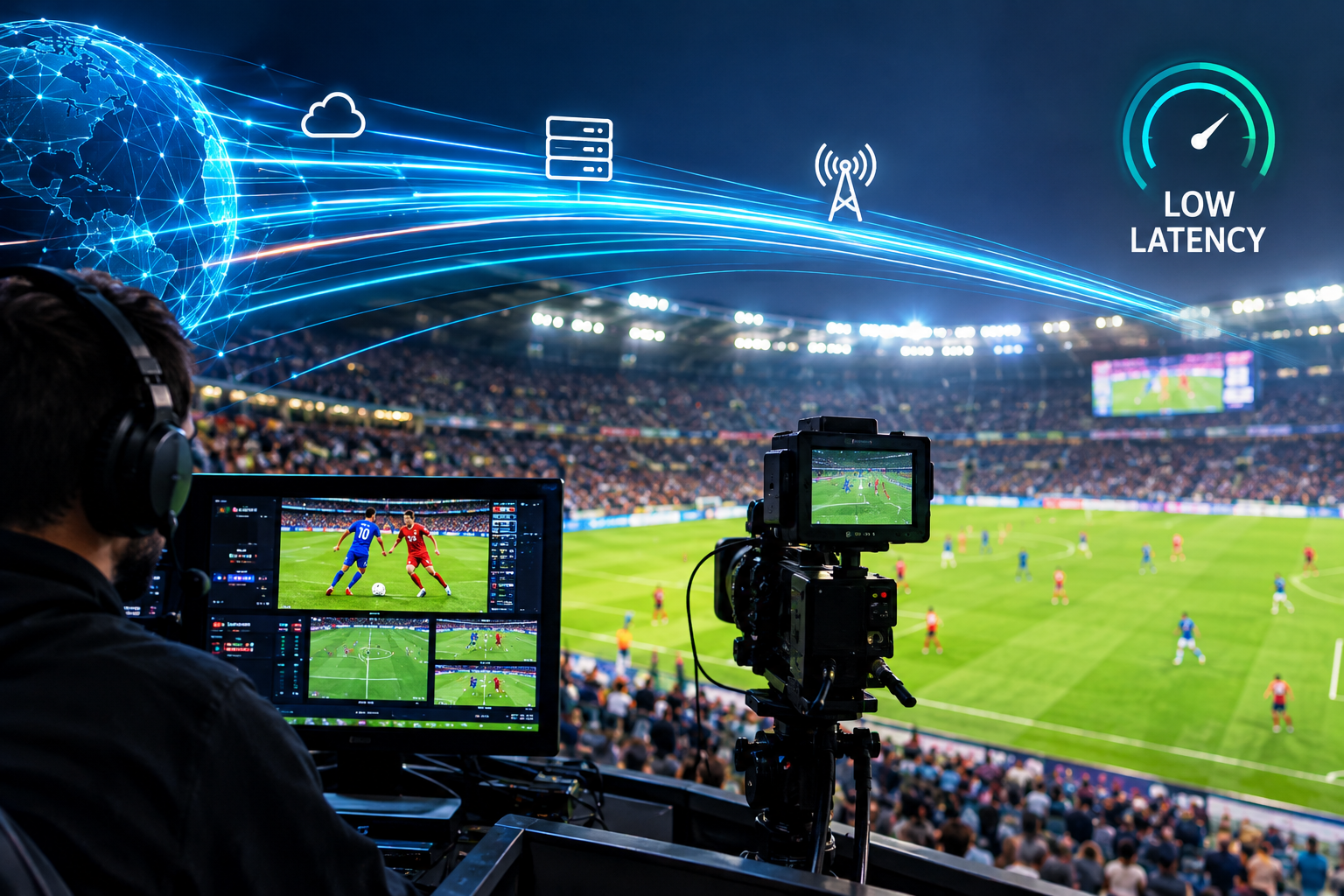
High-speed data networks are changing how quickly live sports betting markets receive event updates. Faster connections reduce delays between action, data processing, and displayed betting information. Network upgrades now support larger data volumes with greater speed and stability. This shift gives live markets a closer connection to events.
Faster Networks Bring Live Data Closer To The Action
Live sports betting depends heavily on fast data delivery during active matches. Timing remains particularly important for bettors using 1xBet APK while following scores, match events and other fast-changing information during live play. High-speed networks help reduce the gap between events and available betting data.
Modern networks use fiber connections, 5G systems, and advanced routing equipment. These technologies move information across networks with fewer delays during busy periods. Lower latency creates faster communication between stadiums, data centers, and betting systems.
Latency measures the time needed for data to travel between two points. Network engineers usually measure latency in milliseconds for real-time services. A delay of 100 milliseconds equals one-tenth of one second.
That figure sounds tiny during normal internet use. Live sports betting creates a different demand because events change constantly. A goal, foul, score change, or player substitution can alter market information quickly.
Fiber networks provide one major advantage through fast and stable data transmission. Light travels through fiber cables at roughly 200,000 kilometers per second. This physical speed helps networks move large amounts of information efficiently.
5G Adds Another Layer Of Speed
5G networks have brought lower latency and higher capacity to mobile connections. That reduction can matter during fast-moving events for bettors who create a 1xBet account and later follow live sports activity over a mobile connection. Real-world performance varies according to distance, traffic, equipment, and network design.
Telecom companies such as Ericsson, Nokia, and Huawei develop equipment supporting modern mobile networks. Their systems help operators manage higher traffic volumes across dense urban areas. Sports events can create sudden demand when thousands of people connect simultaneously.
5G also supports faster data transfer from connected devices inside sports venues. Cameras, sensors, score systems, and broadcast equipment can produce constant streams. Network infrastructure must handle these streams without creating large delays.
Several technical improvements contribute to better performance:
Fiber backbones carry large data volumes between major network locations.
Edge computing processes information closer to where events actually happen.
5G connections provide faster mobile access for real-time services.
Modern routers manage traffic more efficiently during sudden demand spikes.
Cloud systems allow computing resources to expand during major sporting events.
Cloud Systems Handle Growing Sports Data
Sports data has expanded rapidly as technology captures more details during matches. Modern systems can track scores, player movements, timing, and other event information. Each additional data point creates another task for network infrastructure.
Companies such as Amazon Web Services, Microsoft, and Google operate large cloud networks. Their infrastructure supports data processing across multiple geographic regions. Cloud systems can also distribute workloads when demand changes quickly.
A large sporting event can generate significant traffic within a short period. Network systems therefore need enough capacity to handle sudden increases. Extra capacity helps maintain stable connections when many users access live information.
Cloud architecture also allows data processing to happen across several locations. This approach reduces pressure on one central system. It can also improve speed when users connect from different regions.
Data Centers Play A Critical Role
Data centers form another important part of the live sports betting technology chain. These facilities host servers that process and distribute large amounts of information. Their location can influence network performance. A server positioned closer to the data source generally needs less network travel. Shorter routes can reduce latency and improve response times.
Major technology companies operate data centers across many regions worldwide. Amazon operates cloud infrastructure across multiple geographic areas. Microsoft Azure and Google Cloud also maintain extensive global networks.
Data centers require powerful networking equipment to move information between servers. Cisco develops networking hardware used across many large enterprise environments. High-speed switches can transfer huge data volumes between connected systems.
Real-Time Data Requires Reliable Network Performance
Speed matters heavily during live sports betting. Reliability matters just as much because delayed information can quickly become outdated. Network engineers measure performance through several important figures. Latency measures delay while throughput measures how much data moves through networks. Packet loss measures data packets that fail to reach their destination.
Modern networks use monitoring systems that constantly measure performance. Engineers can identify congestion and equipment problems before they create larger disruptions. Automated systems can also adjust traffic routes when conditions change.
Sports venues increasingly depend on dedicated connectivity for production and data services. Major stadiums can contain thousands of connected devices during large events. Network planning must account for cameras, broadcasts, staff systems, and public connections.